
Your DNA’s Connection to Gut Health
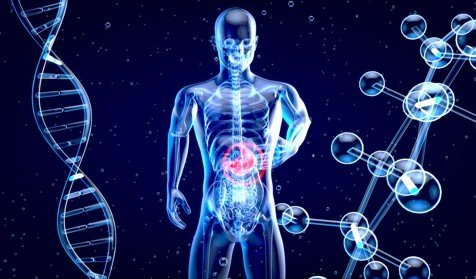
Understanding the Connection Between Your Gut Health and Genetics
Gut health is about far more than digestion. It is central to immune resilience, mental clarity, energy production, and long-term wellness. Genetics does not determine destiny, but it does influence susceptibility. For those with ongoing gut symptoms, identifying genetic factors can finally provide the answers you’ve been chasing.
Digestive issues are among the most common health complaints in the world. Millions struggle with bloating, abdominal pain, diarrhea, constipation, and unexplained food reactions. Many of these symptoms get labeled as irritable bowel syndrome, food intolerances, or stress-related digestive discomfort. While lifestyle and diet certainly play a role, genetics often sits at the root of why some people develop ongoing gut issues while others seem unaffected. Understanding the link between gut health and DNA opens the door to identifying hidden causes and creating lasting solutions for chronic digestive and inflammatory conditions.
The Gut as a Second Brain
The gut is often referred to as the second brain because it has its own nervous system called the enteric nervous system. This network of nerves communicates directly with the central nervous system and influences mood, stress responses, and cognitive function. Beyond nerves, the gut houses trillions of microbes that shape immune function, nutrient absorption, and inflammation levels throughout the body. When this system is disrupted, the consequences extend far beyond digestion. Poor gut health has been linked to anxiety, depression, autoimmune disorders, skin conditions, and even cognitive decline.

Genetics and Digestive Health
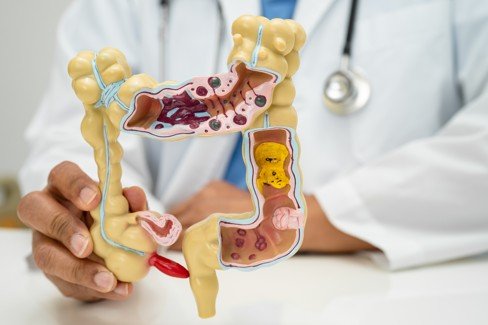
Not all digestive issues are caused by poor diet or stress. Genetics plays a significant role in determining how efficiently the digestive system functions. Some genetic variations influence how the body breaks down carbohydrates, fats, or proteins. Others affect how the immune system reacts to certain foods or how inflammation is regulated in the gut lining. Certain genetic markers can explain why standard elimination diets or probiotics work for some people but fail for others. Without addressing the unique genetic influences, many people remain stuck in cycles of trial and error.
Key Genetic Factors in Gut Health
Lactose and Carbohydrate Intolerance - Variants in the LCT gene influence the ability to digest lactose, the sugar found in dairy. People with reduced lactase activity experience bloating, cramping, and diarrhea after consuming dairy products.
Gluten Sensitivity and Celiac Risk - Specific gene variations such as HLA-DQ2 and HLA-DQ8 increase the risk of celiac disease. Even without full celiac disease, genetic predisposition can contribute to heightened gluten sensitivity and chronic inflammation.
FODMAP Sensitivities - Some individuals have genetic variations that make it harder to digest certain fermentable carbohydrates. This leads to excess gas, bloating, and pain when eating foods high in FODMAPs like onions, garlic, or beans.
Immune Regulation Genes - Variations in genes that control immune activity can make the gut lining more reactive to foods or microbial changes. This increases the risk of food sensitivities and autoimmune activity.
Detoxification Genes - Inefficient detox genes can lead to poor clearance of harmful compounds, which irritate the gut lining and fuel inflammation.
Inflammation & Autoimmunity
One of the most significant ways genetics influences gut health is through inflammatory responses. The gut lining is designed to act as a barrier that allows nutrients through while keeping harmful compounds out. When inflammation is poorly regulated due to genetic factors, the lining can become permeable. This condition, often called leaky gut, allows toxins, microbes, and undigested food particles into the bloodstream, which triggers further immune responses.
Chronic inflammation in the gut is linked to conditions such as Crohn’s disease, ulcerative colitis, and irritable bowel syndrome. Even in people without diagnosed conditions, persistent low-level inflammation can contribute to fatigue, brain fog, skin flare-ups, and joint pain.
When food sensitivities and gut inflammation go unaddressed, the immune system remains in a constant state of alert. Over time, this can lead to autoimmune activity, where the immune system mistakenly attacks the body’s own tissues. Many autoimmune conditions such as Hashimoto’s thyroiditis, rheumatoid arthritis, and psoriasis have strong connections to gut health and genetics.
Healing the gut is therefore not just about relieving digestive discomfort. It is about protecting the entire body from long-term immune dysfunction.

Nutritional Genetic Testing Offers a Roadmap Toward Healing
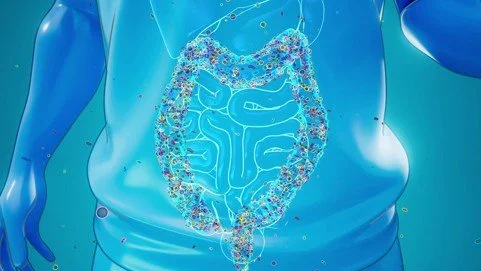
One of the most powerful tools for understanding chronic gut issues is genetic testing. By identifying specific genetic variations, it becomes possible to see why symptoms are occurring and what strategies are most likely to work. Genetic insights can guide:
Dietary choices: Knowing if you are lactose intolerant, gluten sensitive, or prone to FODMAP issues helps you design a diet that supports your unique needs.
Supplementation: Identifying detox and antioxidant gene variations allows for targeted supplements that reduce inflammation and oxidative stress.
Probiotic support: Understanding microbiome-related genes can guide which probiotic strains are most beneficial.
Lifestyle strategies: Genes that influence stress response and hormone regulation can help shape routines that protect gut balance.
Restoring gut health requires a combination of removing triggers, repairing damage, and supporting balance. For those with genetic vulnerabilities, this process must be tailored to their biology. Strategies often include:
Identifying and avoiding trigger foods through genetic testing and guided elimination.
Supporting gut lining repair with targeted nutrients such as glutamine, zinc, and omega-3s.
Restoring microbial balance with the right probiotics and prebiotic fibers.
Reducing inflammation through anti-inflammatory diets and personalized supplementation.
Addressing lifestyle factors such as stress and sleep, which strongly affect gut-brain communication.
The Silver Helix Test from Silver Genetics offers you a personalized insight into the way your DNA and your nutrition work together at the microscopic level. Your DNA holds the secrets to a wide variety of information about your health, including the chance to identify risks for inflammation, poor circulation, and autoimmune diseases. If you’re ready to move forward with nutritional genetic testing in a more intentional way, we’re here to help!
